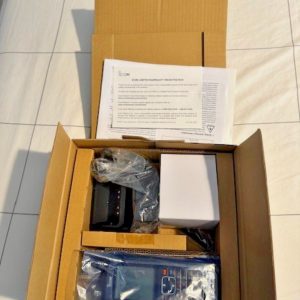
:::writingvariant="document" id="58314" ICOM IC-A25N Handheld NAV/COM Transceiver w/ Bluetooth – Open Box: Versatile Cockpit and Ground Communication The ICOM IC-A25N Handheld NAV/COM Transceiver w/ Bluetooth – Open Box is designed for aviation users seeking a capable portable radio that can support communication and navigation-related operations. Choosing an open-box aviation radio may allow buyers to obtain advanced pilot equipment at a more accessible price than a comparable factory-sealed package. The ICOM IC-A25N Handheld NAV is suitable for users who want portable access to communication and navigation-related functions during flight preparation, cockpit operations, instruction, emergency planning, or airport ground activities. The ICOM IC-A25N Aviation Radio is relevant to pilots who need dependable access to aviation frequencies while operating in the cockpit or around an airport. An ICOM IC-A25N Handheld Radio offers mobility that panel-mounted equipment cannot provide, allowing users to communicate from the aircraft, ramp, hangar, or operations area. The Handheld NAV/COM Aviation Transceiver format offers useful flexibility to pilots who want one compact tool for several operational requirements. Whether the requirement is a Handheld Aviation Radio, Aviation NAV/COM Radio, Pilot Handheld Radio, or Aircraft Communication Radio, buyers should review package condition, included accessories, battery health, and operational compatibility before purchase. The product can support pilots seeking a Portable Aviation Transceiver, Aviation Navigation Radio, ICOM Pilot Radio, or dependable Backup Aircraft Radio.
Exploring the ICOM IC-A25N NAV/COM Platform
The IC-A25N combines portable aviation communication capability with navigation-oriented features intended to support a broad range of pilot activities. Pilots often select a feature-rich handheld radio because it supports communication needs without requiring permanent installation or aircraft modification. Users should understand that portable-radio coverage can differ from panel-mounted equipment connected to an external aircraft antenna. Pilots should test the radio during routine conditions and become familiar with its operation before expecting to use it during an urgent situation.ICOM IC-A25N Handheld NAV Applications
A handheld NAV radio can be valuable to flight instructors who demonstrate aviation communication and navigation concepts during training. Private pilots may carry the device during cross-country flights, aircraft repositioning, fly-ins, or travel in rented airplanes. Users should understand which functions are intended for reference, communication, navigation support, training, or emergency use. Pilots should avoid burying backup equipment under baggage where it cannot be reached quickly during flight.ICOM IC-A25N Aviation Radio Applications
An ICOM IC-A25N Aviation Radio can serve pilots who need portable communication for flight operations, aircraft delivery, training, airport coordination, or emergency preparedness. Aircraft sales organizations may keep handheld radios available during demonstrations, repositioning, delivery preparation, and customer familiarization. An open-box product should be evaluated carefully even when it appears unused or lightly handled. The best purchase decision combines condition evidence, package completeness, seller credibility, secure payment, and documented delivery terms.Carrying the ICOM IC-A25N Handheld Radio
The handheld format allows the radio to move with the pilot between personal, rental, training, business, and club aircraft. Battery contacts, charging ports, headset connections, controls, and the display should remain free from dirt, loose objects, and contamination. Preparation outside the aircraft supports more confident, efficient, and less distracting use during actual operations. Aircraft cabins and parked vehicles can reach temperatures that may affect batteries, displays, housings, and electronic components.Handheld NAV/COM Aviation Transceiver Applications
The device may be especially valuable to pilots who operate older aircraft, rented aircraft, or airplanes with limited redundancy. Buyers should compare interface design, battery options, charging arrangements, antenna quality, accessory availability, display readability, audio performance, and operational needs. The radio should be inspected before every important flight for battery charge, antenna security, control response, display condition, volume setting, and physical damage. After use, the device should be cleaned gently, charged as appropriate, disconnected from unnecessary accessories, and returned to protected storage.Handheld Aviation Radio for General Aviation
General aviation users may carry a portable radio during training flights, cross-country operations, maintenance, aircraft repositioning, and airport events. The radio can also provide useful redundancy when an installed communication system experiences an unexpected problem. A handheld radio should be evaluated in the aircraft and environment where it will normally be used. Users should understand local procedures before transmitting from airports, airshows, training areas, or ground facilities.Aviation NAV/COM Radio Applications
An integrated aviation radio can provide a convenient secondary tool during flight planning, cockpit preparation, and selected in-flight operations. A portable radio should support cockpit management rather than add unnecessary workload. The radio’s navigation-related functions should be used within the limits described by the manufacturer and the requirements of the intended operation. Paired accessories and Bluetooth connections should be tested so unexpected setup issues do not occur during flight.Pilot Handheld Radio for Flight Operations
Pilots may carry a handheld radio as part of a broader emergency kit that includes lights, power supplies, charts, tools, and survival equipment appropriate to the flight. Pilots should decide before departure where the radio will be located and how it will be retrieved during an abnormal situation. Pilots can include the handheld in periodic proficiency exercises without making unauthorized or unnecessary transmissions. Pilots may consider carrying an appropriate backup power option when supported by the equipment and mission requirements.Aircraft Communication Radio Applications
An Aircraft Communication Radio supports communication between pilots, air traffic services, other aircraft, flight instructors, and authorized ground personnel. Headset and Bluetooth accessories should be tested for microphone quality and audio clarity before operational use. Buildings and hangar structures can also reduce radio performance during ground use. Users should stop relying on the unit if it displays intermittent function or unexplained shutdowns until the concern is resolved.Using a Portable Aviation Transceiver
A Portable Aviation Transceiver offers communication mobility for pilots and aviation professionals who are not always positioned inside a powered aircraft. Charging equipment should be identified clearly and kept with the correct radio and battery system. Wireless connectivity may help pilots integrate the radio into a preferred communication setup when paired equipment is supported and configured correctly. Wireless convenience should not replace disciplined equipment checks and familiarity with standard radio controls.Maintaining an Aviation Communication Device
Pilots should select communication equipment according to mission requirements, aircraft type, operating area, training needs, and backup planning. The seller should explain the product’s status and disclose any evidence of use, missing materials, registration, or cosmetic handling. Equipment logs can improve accountability when several instructors, pilots, or technicians share one transceiver. Training should cover normal communication, navigation-related functions, emergency use, battery care, Bluetooth setup, and storage.Handheld Aircraft Radio for Cockpit and Ground Use
A Handheld Aircraft Radio can provide useful communication capability both inside the cockpit and around the aircraft during maintenance, preflight, towing, fueling, or operational preparation. Portable operation can improve flexibility at remote airfields or maintenance locations with limited infrastructure. A handheld radio should not be placed on an unstable surface where turbulence or maneuvering could send it across the cockpit. Ramp and maintenance environments can expose portable electronics to contaminants that are less common in normal indoor storage.Aviation Navigation Radio Applications
The aviation-focused interface is intended to support pilots who need quick access to practical features in a compact format. A demonstration or careful manual review can help users understand displays, menus, stored information, and navigation-related controls. Navigation information should be cross-checked with current aviation references and suitable cockpit equipment for the planned operation. Users should remove outdated memories or clearly organize frequencies to reduce confusion during operation.Using an ICOM Pilot Radio
The radio may also suit instructors, aircraft technicians, flight departments, and airport operations personnel who require portable communication equipment. A complete and well-documented package can be more valuable than a lower-priced unit missing essential equipment. Aviation students may prioritize ease of learning, while experienced pilots may focus on backup capability, portability, and integration. Pilots should record serial information, purchase details, accessory inventory, battery condition, and any warranty documentation.Choosing an Emergency Aviation Radio
A handheld radio may support a pilot’s response to an abnormal situation by providing portable communication capability independent of the main panel system. A written quick-reference guide may help, but it should remain simple enough to use without creating distraction. Emergency preparation may include checking battery endurance, carrying an appropriate backup power source, protecting the antenna, and confirming headset compatibility. Emergency equipment checks can be scheduled with annual inspections, proficiency reviews, seasonal preparation, or flight-bag audits.Choosing a Backup Aircraft Radio
Pilots who operate several aircraft can carry the same Backup Aircraft Radio and remain familiar with its controls across different cockpit layouts. A backup device should not be neglected simply because it is not used during every flight. A simple and familiar arrangement is generally more useful during an abnormal situation than a complicated setup that has not been practiced. With thoughtful preparation, a Backup Aircraft Radio can provide valuable confidence without creating unnecessary cockpit complexity.Evaluating an Open-Box Aviation Radio
Connectors and charging contacts should appear clean, straight, secure, and free from corrosion or contamination. Transparent answers allow the buyer to distinguish a nearly unused open-box product from a lightly used or incomplete package. Functional testing should include power-on behavior, charging, control response, display operation, speaker audio, microphone function where appropriately tested, and accessory recognition. A professional purchasing process protects both parties and supports a fair evaluation of the open-box aviation transceiver.Routine Care for a Handheld Aviation Radio
Long-term reliability depends on battery care, protected storage, correct charging, careful antenna handling, clean connectors, updated familiarity, and prompt attention to operating concerns. Inspection frequency may need to increase when the device is shared, carried daily, used outdoors, exposed to maintenance environments, or stored in an aircraft.- Confirm that the device powers on, responds correctly, holds charge, produces clear audio, and remains properly configured.
- Keep the operating guide or a simple quick-reference resource accessible until important functions are fully familiar.
- Record any missing component, operating concern, battery issue, or required service before returning the radio to backup status.